Medical Clinic Build-Out Costs in NYC
Summary: A comprehensive technical guide to building medical clinics in NYC, covering FGI compliance, DOB permits, MEP infrastructure, and financial management for healthcare facilities


The Definitive Guide to Medical Clinic Construction & Build-Outs in NYC
Constructing a healthcare facility in New York City represents one of the most complex challenges in commercial real estate. Unlike a standard office renovation, a medical build-out involves a rigorous intersection of city zoning laws (NYC Zoning Resolution), state health department mandates (NYSDOH), and highly specialized mechanical infrastructure.
Whether you are a private practitioner opening a dental suite on the Upper East Side or a hospital system launching an Ambulatory Surgery Center (ASC) in Brooklyn, the margin for error is nonexistent. A failure to adhere to Article 28 requirements or FGI Guidelines can result in a facility that cannot be licensed, essentially becoming a multi-million dollar sunk cost.
Phase 1: Project Expenses (Soft Costs)
Before a single hammer is swung, a significant portion of your budget will be consumed by “Soft Costs.” These are the expenses not directly related to physical construction but are mandatory for legality and design compliance in New York.
Architectural & Engineering Fees
In NYC, you cannot simply hire a decorator. You need a Registered Architect (RA) and a Professional Engineer (PE) who specialize in healthcare design. They must produce:
- Architectural Drawings: Floor plans showing egress, ADA compliance, and patient flow separations (Clean vs. Soiled).
- MEP Drawings: Mechanical, Electrical, and Plumbing schematics detailing medical gas lines (O2/N2O), HVAC loads, and sanitary waste systems.
- Radiology Shielding Reports: If you are installing X-Ray, CT, or Fluoroscopy, a Medical Physicist must calculate the lead shielding requirements before the architect can finish the wall schedule.
The Expediter & DOB Filing
New York City relies on “Expediters” (Class 2 Code and Zoning Representatives) to interface with the Department of Buildings (DOB). For a medical clinic, you will likely file an Alt-2 (Alteration Type 2) application if you are not changing the Certificate of Occupancy (C of O), or an Alt-1 if you are converting a retail space (Use Group 6) to a medical facility (Use Group 4).
Use our Project Manager Tool to calculate your Hard & Soft Costs:
⏳ Build-out Timeline (NYC DOB Approved)
Permits
📝 Daily Log
📞 Contacts
Interactive Tool: Track Contractor Payments, Permits, and Materials.
Phase 2: The Physical Build (Hard Costs)
Once permits are pulled, the “Hard Costs”—labor and materials—begin. In the post-COVID era, the cost of medical construction in NYC ranges from $350 to $650+ per square foot, depending on the complexity of the equipment and finishes.
Mechanical, Electrical, and Plumbing (MEP)
The “guts” of the clinic are the most expensive component. Unlike an office that needs a simple thermostat, a clinic requires:
- Medical Gas Systems: Copper piping for Oxygen (O2), Nitrous Oxide (N2O), and high-volume Vacuum lines. These must be brazed by certified installers (NFPA 99 compliance) and tested by a third party.
- Plumbing Backflow Preventers: The NYC DEP requires Reduced Pressure Zone (RPZ) devices on the main water line to protect the city water supply from medical contaminants.
10 Melhores Faculdades Particulares de Medicina em São Paulo
Radiation Shielding Implementation
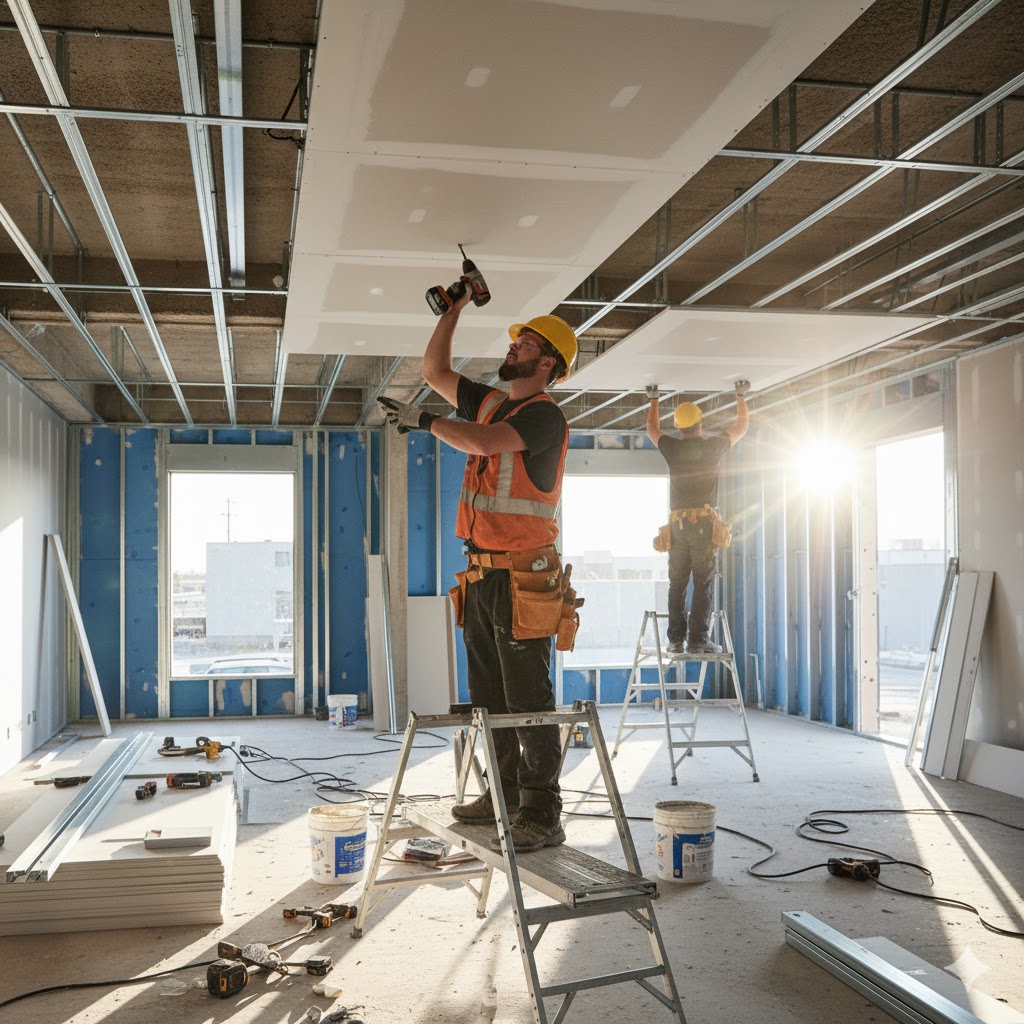
If your clinic includes imaging, the walls must be lined with lead. Standard drywall is replaced with Lead-Lined Sheetrock (typically 1/16″ to 1/8″ lead thickness bonded to gypsum). The viewing window for the technician utilizes heavy Lead Glass, and doors into X-Ray rooms must be solid core with a lead lining.
Phase 3: FGI Guidelines & Interior Finishes
The Facility Guidelines Institute (FGI) sets the national standard for healthcare design. In New York, the Department of Health uses these guidelines to approve facility licenses.
Flooring: The Monolithic Standard
Carpet is largely prohibited in clinical areas due to infection control protocols. The standard solution is Homogeneous Sheet Vinyl with heat-welded seams. This creates a monolithic (seamless) floor that is impervious to water and bacteria.
Official Resources & Authorities



3 Comments